
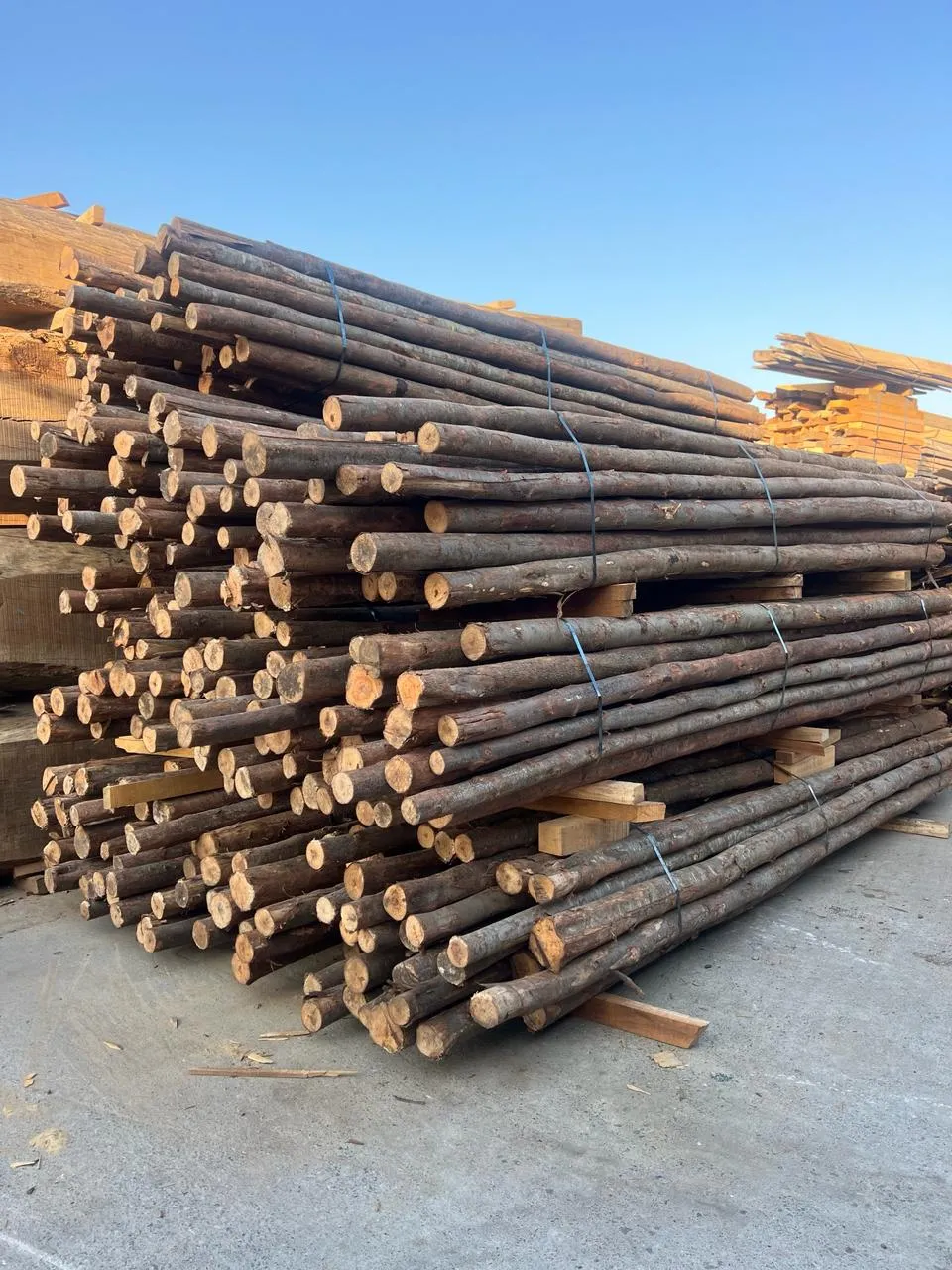
Why Heat Treatment Matters More in the Gulf Than Anywhere Else
Heat treatment works by controlled exposure to high temperatures that alter the wood's internal moisture-holding cells. The result is timber that absorbs less water, resists insects that thrive in humidity, and holds its dimensions instead of swelling and shrinking with the weather.
In more temperate climates, this is sometimes treated as an optional upgrade. In the Gulf, where outdoor timber faces extreme heat, intense direct sun and — for coastal and hospitality projects — salt air, skipping heat treatment shortens the realistic lifespan of a structure considerably.
It's also why we treat in-house rather than outsourcing it. Keeping sawmilling and heat treatment under the same roof means every piece that leaves our workshop has been through a process suited specifically to how and where it's going to be used, not a generic one-size-fits-all cycle.
If you're comparing quotes from different suppliers, treated and untreated timber can look identical on day one. The difference only shows up months later — which is exactly why it's worth confirming upfront, not assuming.
← Back to all posts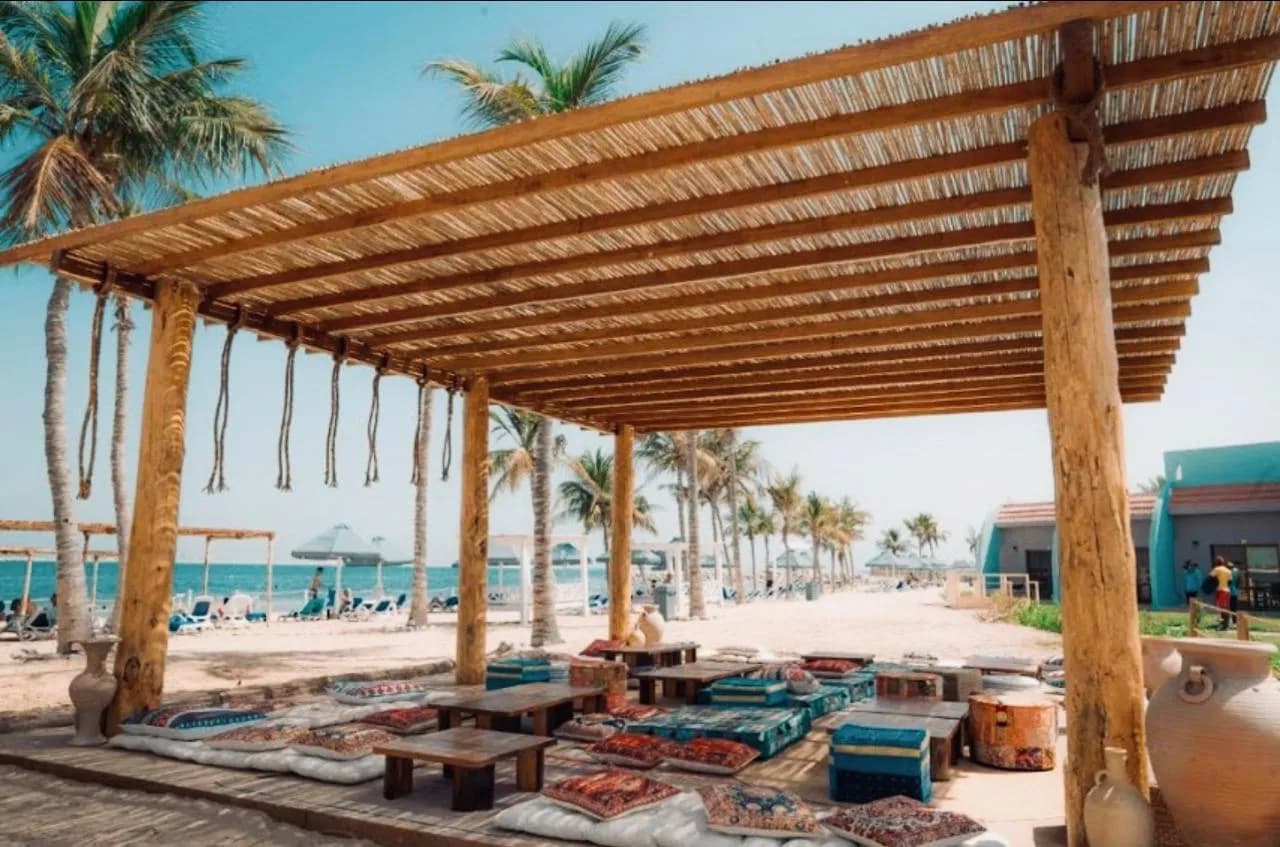
Sun, salt air and humidity rule out more timber options than most buyers expect. Here's what actually holds up outdoors in the Emirates.
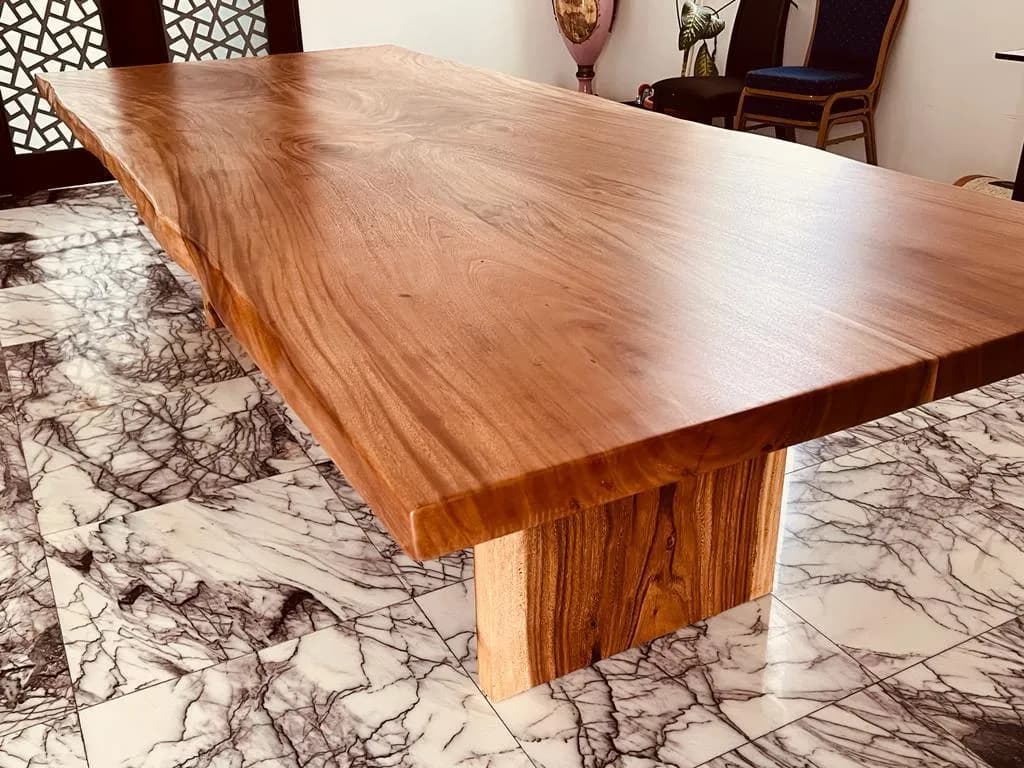
Both make a strong first impression. They behave very differently at hospitality scale — here's the tradeoff buyers actually need to weigh.
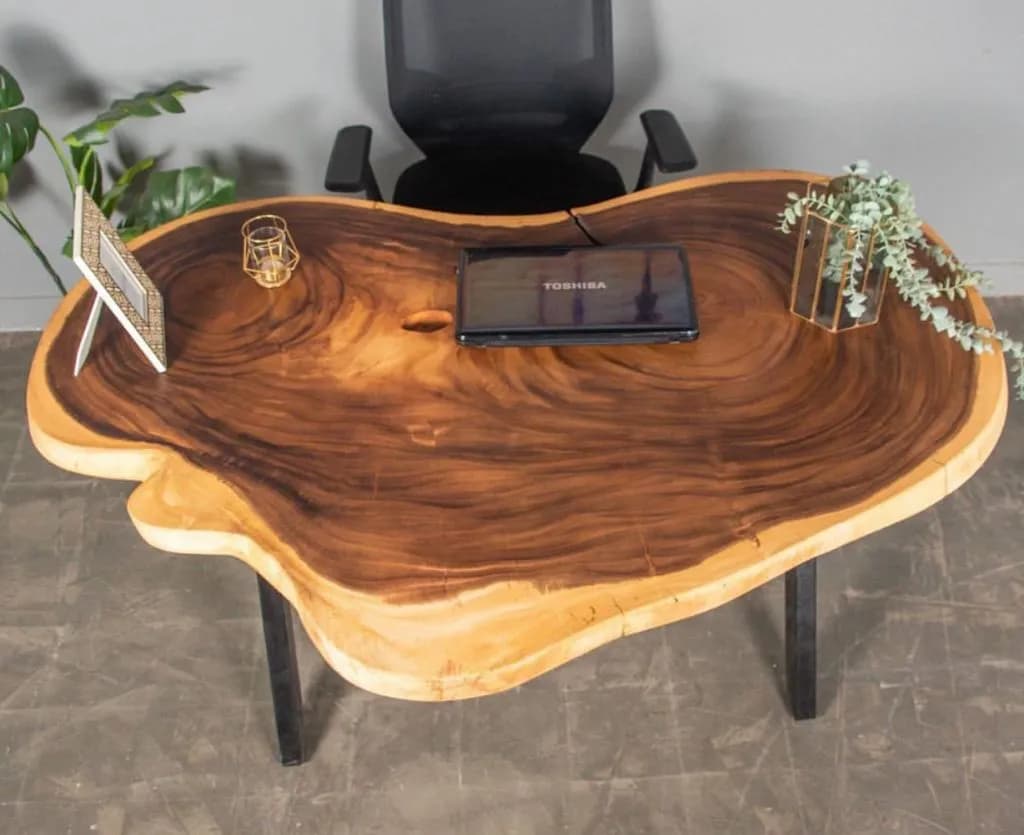
A walk through what actually happens between a raw log arriving at our yard and a finished piece being installed on site.
From a single custom piece to a full outdoor installation — concept to on-site delivery, anywhere in the UAE and the GCC.